
Discharge support · For patients & families

Bringing someone home? Start here.

The hospital says discharge could be tomorrow. You have a list of equipment you've never heard of and a living room that wasn't built for a wheelchair. Take a breath. Here's how we help.

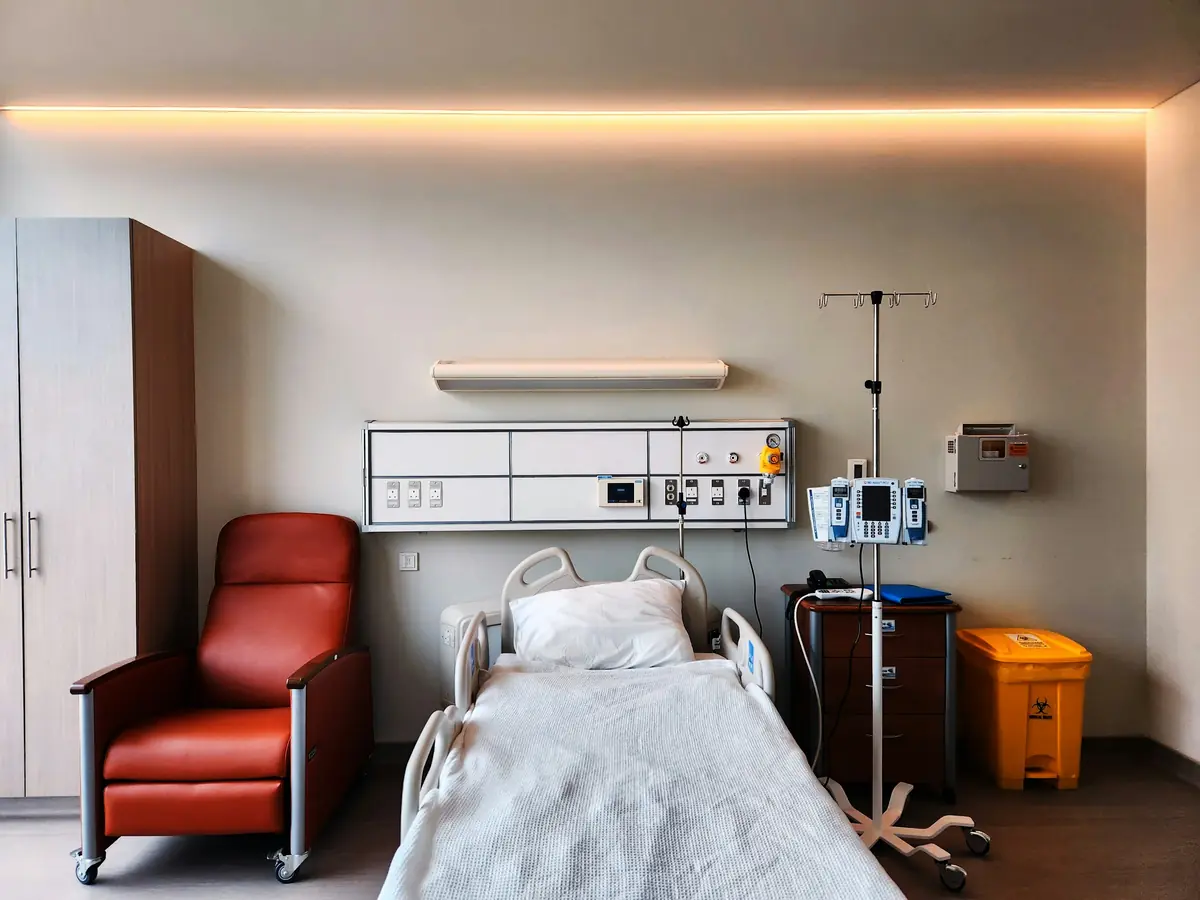
A hospital room with a bed, a recliner chair and an IV pole

What a discharge plan usually covers

Before someone leaves the hospital, a discharge planner or case manager puts together a plan. It may list equipment categories — a hospital bed, a walker, a shower chair — along with home-care services, follow-up appointments and medicines. The equipment part is where families often feel the most pressure, because it has to be in place quickly and fit a real home.

We help you read that list in plain language, think through where each item goes, and understand what usually needs to happen for each category, including the clinician's order and any documentation a plan may require. Then we coordinate next steps with you and, when you'd like, with the hospital team.

A row of brownstone homes with iron railings and stoops
Fit the home

Queens homes come in every shape

Walk-ups, attached homes, narrow hallways, a bathroom at the top of the stairs. Before anything arrives, we'll ask the questions that decide whether it fits: doorway widths, bed placement, bathroom layout and where outlets are.

  • Measure doorways and hallways
  • Pick the bed spot near an outlet
  • Clear a path from bed to bathroom
A caregiver smiling with a young man seated in a wheelchair
Support the helper

Plan for the person doing the lifting

Family caregivers do a lot of transferring, bathing and repositioning. The right aids protect their backs as much as the patient's safety. Ask the hospital's therapists to show you safe techniques before discharge.

  • Ask for a transfer demonstration
  • Consider a transfer board or lift if advised
  • Keep everyday items within reach
Your first week home

A simple rhythm after discharge

  1. Day one

    Focus on the essentials: bed, bathroom route, seating and a clear path. Keep the discharge papers handy.

  2. First 48 hours

    Watch how the setup works in real life. Is the bed height right? Is the walker the right height? Call us if something feels off.

  3. End of week one

    Fine-tune with daily-living aids and supplies, and plan resupply for anything that runs out.

Medical questions go to the care teamWe coordinate equipment categories; we don't give medical advice. Questions about recovery, medicines or warning signs belong with the patient's doctors and nurses. In an emergency, call 911.

Discharge date on the calendar?

Call now and we'll help you get organized before the ride home.